
Why AI readiness matters for growing organisations
Why experimentation alone is not enough to support safe, consistent AI adoption at scale.
The next phase of AI adoption will demand more from organisations than experimentation alone. It will require stronger governance, greater visibility and a clear path to scale.
In this on-demand session, Kim Rickaby, Acting Head of IT Operations at NGS Super, shares how the organisation has been working with Tecala to strengthen those foundations, bring greater structure to its AI approach and inform the priorities shaping its next phase of adoption.
The discussion focuses on the practical decisions leaders need to make now to support secure, scalable and sustainable AI growth.
AI readiness depends on more than the AI tools themselves. Identity, access, security configuration and data protection across Microsoft 365 all shape how confidently your organisation can adopt and scale AI.
Get a clearer view of security gaps and improvement priorities across the Microsoft 365 environment that supports your people, data and AI adoption.
Why experimentation alone is not enough to support safe, consistent AI adoption at scale.
The visibility, risk, governance and data gaps that can create uncertainty across the business.
The areas organisations should assess to understand current AI use and shape a practical readiness roadmap.
How AI uncertainty can be translated into clearer priorities and next steps for responsible adoption.
Bringing together technology, cyber security and real-world IT perspectives, the speakers explored what organisations need to consider as they prepare for responsible, practical AI adoption.
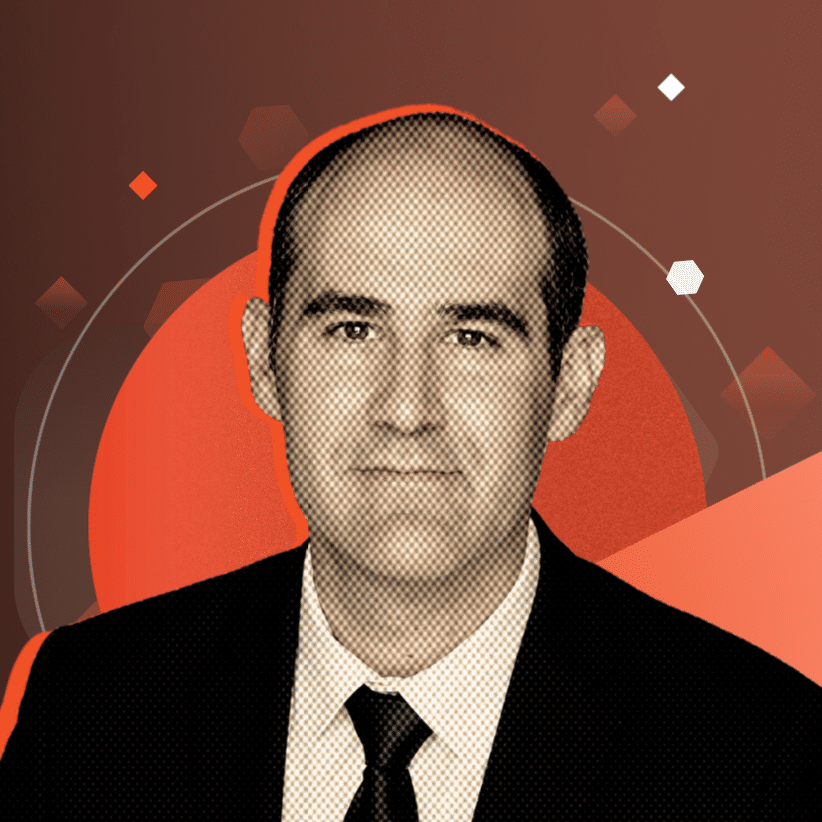
Senior Product Manager, Tecala
Andre shared practical insights into how organisations can move from AI uncertainty to a clearer, more structured approach to adoption.

Cyber Security Engineer, Tecala
Robert discussed the technology, governance and readiness considerations organisations should address before expanding AI use.

Acting Head of IT Operations, NGS Super
Kim Rickaby is the Acting Head of IT Operations at NGS Super, where he leads the delivery and ongoing management of enterprise IT services that support the organisation’s operations and technology strategy.
AI readiness depends on more than the AI tools themselves. Identity, access, security configuration and data protection across Microsoft 365 all shape how confidently your organisation can adopt and scale AI.