
Why GRC now demands real investment and expertise
Security governance, risk and compliance has moved from an annual exercise to a continuous one, and the bar for what counts as evidence has risen with it.
AI is already in use across most mid-market organisations, often through tools nobody formally approved. The question that follows is not a technical one. It is who decides what is allowed, on what evidence, and who answers for it.
In this on-demand session, Phil Allas, GRC Consultant at Tecala, explored why security governance, risk and compliance has become harder, more expensive and more scrutinised, and what happens to that picture once AI adoption is added on top.
The discussion moved from the current state of GRC in the Australian market to the specific gaps AI exposes, and the practical actions leaders can take before the next audit, insurance renewal or board question.
If the session raised questions about accountability, evidence or the controls behind AI use, the next step is understanding where your organisation stands today.
Explore Tecala’s GRC services and the practical assessment options available to help turn gaps and obligations into an actionable roadmap.
Explore GRC services →Security governance, risk and compliance has moved from an annual exercise to a continuous one, and the bar for what counts as evidence has risen with it.
The current state of security GRC in Australia: what organisations are being asked to prove, and where the available offerings leave them short.
The specific gaps AI creates, from tools nobody approved to data exposure and unclear accountability for decisions.
How to frame AI risk so it can be ranked and acted on rather than listed, what to do first, and audience questions.
Product Manager, Tecala
Andre discussed what changes once AI is in the environment, and which decisions and controls need to be in place before use expands across the business.

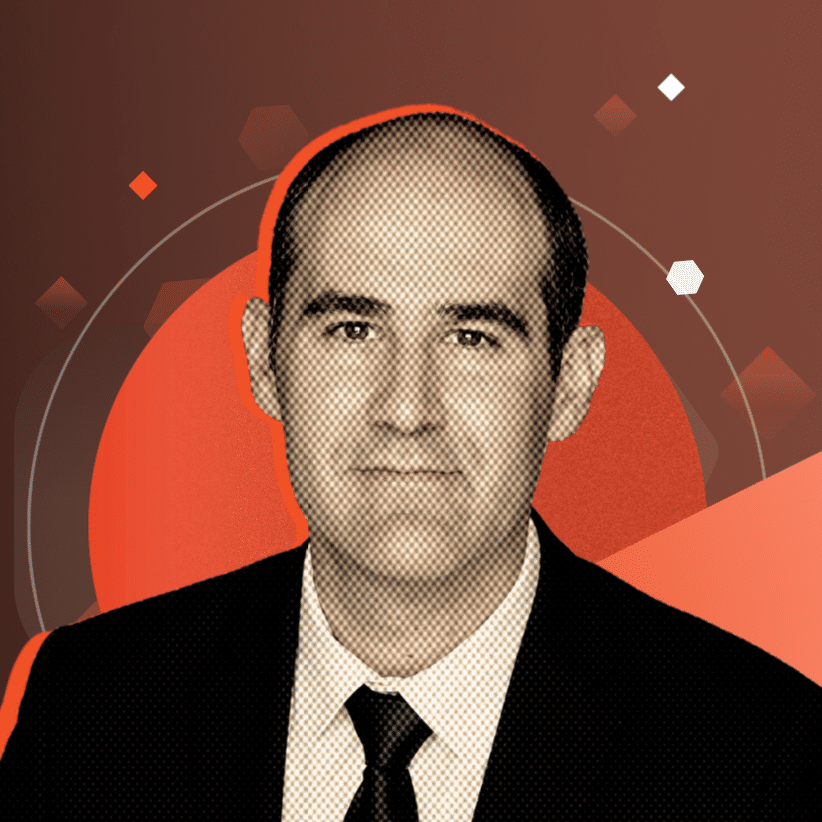
GRC Consultant, Tecala
Phil explored how mid-market security governance can be benchmarked against recognised standards and turned into a prioritised set of actions leaders can take to their board.
Whether that’s a fixed-price Rapid Assessment, a broader governance uplift, or ongoing vCISO support, Tecala’s GRC team can tell you what fits in one conversation.
Share your details and we will follow up to talk through your environment.